EdrawMax is a simple, all-around diagram tool that allows you to create WANnetworkdiagrams and other types of diagrams without stress. It contains symbols such as mainframe, terminal, cloud, firewall, comm-link, printer, switch, server, router, bridge, and hub.
In simple terms, a Wide Area Network (WAN) interconnects different branches (LANs) of an organization that are geographically dispersed within a city, state, or even country. In this article, we will present four user-friendly examples of Wide Area Networks (WANs) along with their networkdiagrams. Here is a video tutorial on architecture of WAN;
This gives information about the health of the WAN connection and its resources (i.e., whether the connection is up or down), as well as detailed information about how often the WAN functions as efficiently as possible.
It shows how to set up primary WAN and backup LTE connections on SRX Series Services Gateways. You use these connections to provide wired and wireless Internet and Intranet access to employees on-site, as well as wireless Internet access to guest devices.
Wide area network (WAN) is a type of telecommunication network, which is used to connect the computers on a wide geographical area. WANs are quite popular and widely used networks, the most known and bright example of WAN is the Internet.
Eye-catching NetworkDiagram template: WANDiagram Template. Great starting point for your next campaign. Its designer-crafted, professionally designed and helps you stand out.
Customize your networkdiagram by changing the symbols and shapes as required. With the easy drag-and-drop feature of EdrawMax Online, you can use all the relative elements from libraries.
Our guide shows the logic behind WANdesign decisions, compares the service options available, and walks through a step-by-step WANdesign with diagrams.
Network segmentation XM Cyber’s AWS Cloud WAN implementation uses a seven-segment architecture with all inter-segment communication flowing through the centralized core network for consistent policy enforcement. Development segments (Dev Tenant, Dev Services): These are isolated environments for feature development and testing.
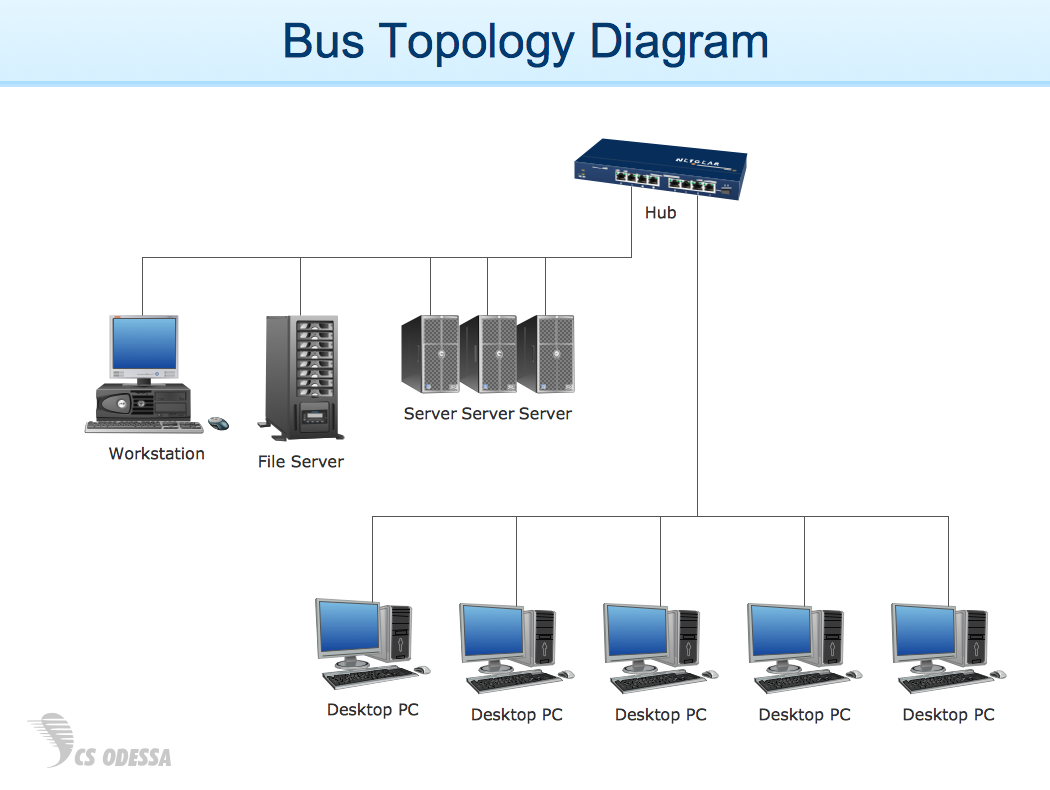 Wide area network (WAN) is a type of telecommunication network, which is used to connect the computers on a wide geographical area. WANs are quite popular and widely used networks, the most known and bright example of WAN is the Internet.